by Gloria Bakerian | Aug 5, 2026 | Cybersecurity
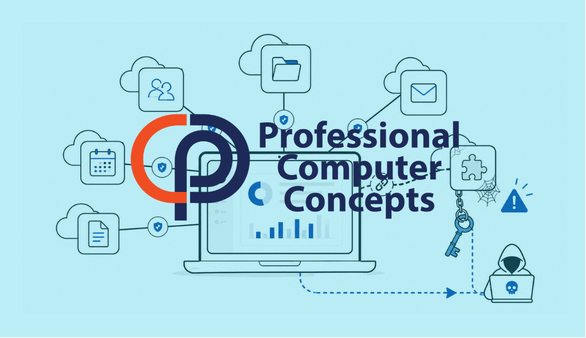
TL;DR The Klue breach demonstrates that third-party integration security cannot end when an application is installed. Businesses must regularly review OAuth permissions, service accounts, API connections, and old credentials because forgotten access can remain...
by Gloria Bakerian | Jul 29, 2026 | Cybersecurity
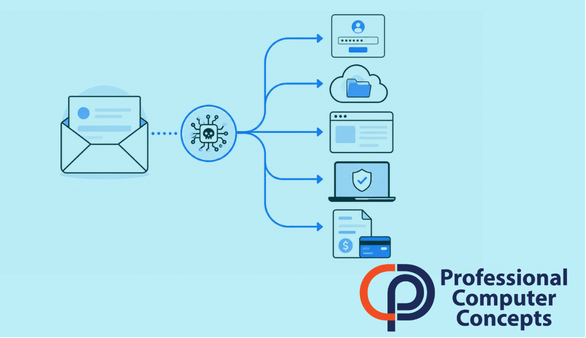
TL;DR The AI attack path evolution means cyberattacks are no longer limited to suspicious emails. The inbox may still be the starting point, but attackers can now use AI-assisted tools to move faster through identities, cloud apps, browser sessions, files, payment...
by Gloria Bakerian | Jul 24, 2026 | Cybersecurity
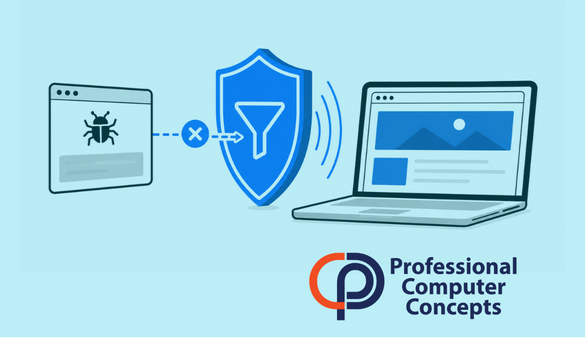
TL;DR Web filtering for small business helps stop employees from reaching known malicious websites, phishing pages, malware downloads, and risky redirect chains. It is not a replacement for employee training or endpoint protection, but it is an important layer that...
by Gloria Bakerian | Jul 22, 2026 | Cybersecurity
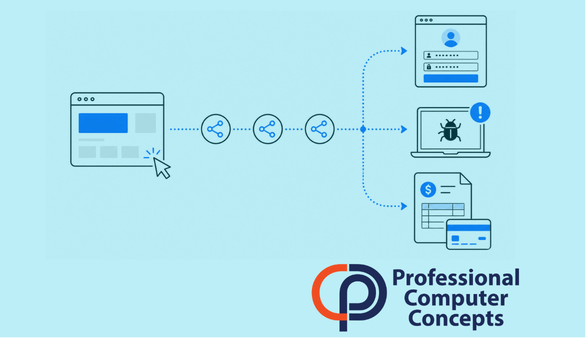
TL;DR Traffic distribution system attacks use redirect chains to send users from emails, ads, search results, apps, or compromised websites to phishing pages, scams, or malware. Bay Area businesses should treat this as more than a web-browsing issue because these...
by Gloria Bakerian | Jul 8, 2026 | Cybersecurity
TL;DR The Canvas data breach shows that even when a business secures its own systems, a trusted technology vendor can still introduce significant risk. Organizations should understand what data vendors hold, how platforms connect to internal systems, and what...
by Gloria Bakerian | Jul 3, 2026 | Cybersecurity
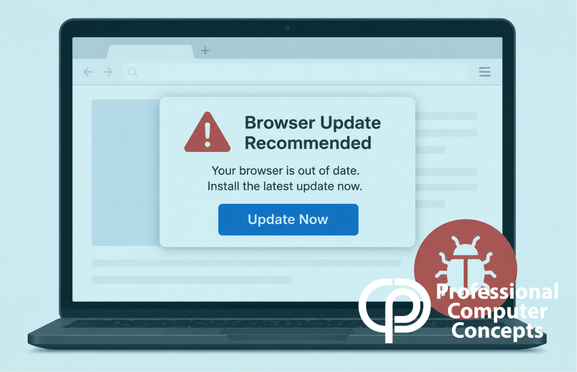
TL;DR The recent FBI-led disruption of SocGholish malware is a reminder that many ransomware attacks begin with a simple user action. SocGholish malware spreads through fake browser update prompts on compromised websites, giving attackers a foothold inside...