

TL; DR Permit fraud cybersecurity is no longer theoretical. In Novato, attackers are using real permit data to impersonate city officials and request fraudulent payments. This is not random phishing, it is targeted, data-driven fraud. Businesses must strengthen verification processes, not just awareness, to prevent financial loss.
Permit fraud cybersecurity has become a real, local issue. A recent alert from the City of Novato highlights an ongoing phishing scam targeting businesses involved in planning, building, and permitting.
This isn’t generic spam. Attackers are using publicly available permit data, such as addresses, case numbers, and even staff names, to make fraudulent emails look legitimate.
That changes the conversation. This is not just a cybersecurity issue. It is an operational risk that directly impacts how businesses handle payments and trust incoming requests.
Read the new alert from the City of Novato here: Phishing Scam Alert: Emails Impersonating City Staff
This Is Not Traditional Phishing
Most phishing attempts rely on volume. They cast a wide net and hope someone clicks. That is not what is happening here.
In this case, attackers are:
- Referencing real permit applications
- Including accurate property and project details
- Impersonating actual city employees
- Sending invoices that appear legitimate
The result is a highly targeted attack that bypasses the usual “this looks suspicious” instinct.
This is OSINT-driven fraud. OSINT stands for Open-Source Intelligence, which simply means publicly available information or data that anyone can access without breaking into a system. In this case, that includes real permit details like property addresses, case numbers, and even the names of city officials. None of this information is stolen. It is pulled from legitimate public records.
The problem is how it is being used.
Cybercriminals are collecting this data and using it to craft highly convincing emails. When a message includes accurate project details, it feels legitimate. That lowers suspicion and increases the likelihood that someone will act on it.
Open-source intelligence has become a tool for cybercriminals. This is what makes these attacks more dangerous than traditional phishing. They are targeted, informed, and designed to blend into normal business operations.
Why Construction and Permit-Driven Businesses Are at Higher Risk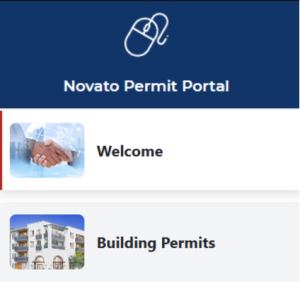
Construction firms, contractors, property developers, and engineering professionals are especially exposed.
Their projects often require:
- Public permit filings
- Multiple payment transactions
- Coordination with city departments
- Tight timelines tied to approvals
That combination creates a perfect environment for exploitation.
When an email arrives referencing a real project and threatens delays, the pressure to act quickly is real. That urgency is exactly what attackers rely on.
If your business operates in Novato, or anywhere in the Bay Area, this risk is not hypothetical. It is already happening.
Did You Know? According to the Federal Bureau of Investigation Internet Crime Complaint Center, Business Email Compromise (BEC) scams caused over $2.9 billion in losses in a single year. These attacks often involve impersonation and fraudulent payment requests.
The Real Problem: Process, Not Just Security
It is easy to frame this as a phishing awareness issue.
That would be a mistake.
These attacks succeed because of gaps in business processes:
- Payment requests are accepted via email without verification
- Staff assume legitimacy when details look accurate
- There is no enforced callback or approval process
- Urgency overrides validation
Even a well-trained employee can be fooled when the email contains real data.
That is why permit fraud cybersecurity must go beyond user training. It requires operational controls.
What Businesses Should Change Immediately
Start by tightening how financial requests are handled.
Do not rely on email alone for payment instructions.
Establish a mandatory verification step using known contact information.
Train staff to treat urgency as a red flag, not a priority.
Separate approval authority from execution where possible.
The goal is simple: make it harder for a single email to trigger a financial action.
How This Fits Into a Larger Cybersecurity Strategy
This type of attack sits at the intersection of cybersecurity and business operations.
Technical controls like email filtering and authentication help, but they are not enough on their own.
Businesses need a layered approach that includes:
- Identity and email protection
- Monitoring for suspicious activity
- Clear internal processes for financial transactions
- Ongoing employee education
If you are unsure where to start, read more in “The Small Business Guide to Cybersecurity”
You can also explore “How to Easily Spot Phishing Attempts” or “Tech Guide: How to Spot a Phishing Email“
And for a broader view of how attacks happen, see “How Hackers Get In—The Most Common Ways Cybercriminals Attack Small Businesses”
What This Means for Novato Businesses
This incident reinforces a larger shift.
Cyberattacks are becoming more targeted, more informed, and more aligned with real-world business processes.
For Novato businesses, especially those involved in construction and permitting, this is a signal to reassess how decisions are made not just how systems are secured.
About Professional Computer Concepts
Professional Computer Concepts (PCC) is a trusted Managed IT and Cybersecurity provider serving the Bay Area for over 20 years. We help small and midsize businesses simplify their IT, strengthen security, and modernize operations. Explore our services:
Managed IT Services | Cybersecurity | Cloud Solutions
From PCC’s Desk
This situation is uncomfortable for a reason. It exposes a gap most businesses don’t realize they have. The issue isn’t just whether your team can recognize a phishing email. It’s whether your processes assume that email can be trusted in the first place. That assumption no longer holds.
If you want to take a closer look at how your business handles risk, not just technology, but operations, let’s talk.