by Gloria Bakerian | Sep 1, 2026 | Cybersecurity
TL;DR AI security for small business must address more than employee use of chatbots. AI agents can access data, connect to applications, initiate workflows, and take actions with limited human involvement. Before deploying an agent, businesses should define its...

by Gloria Bakerian | Sep 1, 2026 | Cybersecurity
TL;DR Multi-factor authentication adds an extra layer of security beyond passwords and is one of the most effective ways to protect your business accounts. Small businesses have several MFA options, including authenticator apps, hardware tokens, SMS codes, and...

by Gloria Bakerian | Aug 31, 2026 | Artificial Intelligence, Cybersecurity
AI prompt laundering is an emerging security risk for businesses using agents that can remember information, review business data, and take actions across connected systems. Those same abilities also create a new security problem: What happens when an AI agent...
by Gloria Bakerian | Aug 27, 2026 | Cybersecurity
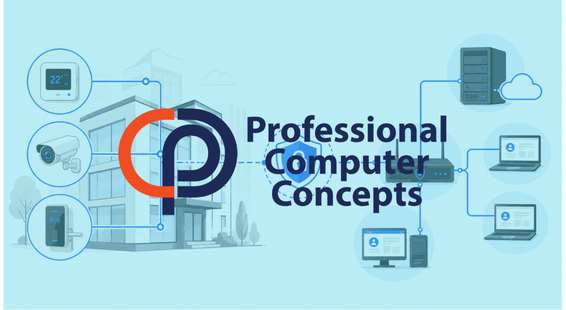
TL;DR Building system cybersecurity matters because HVAC controls, security cameras, access systems, elevators, lighting, and other connected equipment may share network access with business computers and sensitive data. Companies should inventory these systems,...

by Gloria Bakerian | Aug 27, 2026 | Cybersecurity
TL;DR AI prompt injection occurs when instructions hidden in a document, email, website, or other content influence an AI system that processes it. Businesses should treat outside content as untrusted, restrict what AI tools can access or do, and require human...

by Gloria Bakerian | Aug 25, 2026 | Cybersecurity
TL;DR Network security for small business depends on more than installing a firewall and leaving it in place. Firewalls, routers, switches, wireless access points, and other network devices require regular updates, secure configurations, monitoring, documentation,...