

Ransomware Is Still One of the Biggest Threats to Small Businesses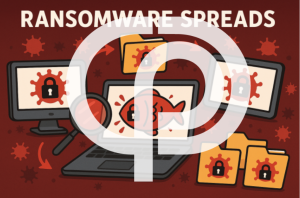
Ransomware attacks used to make headlines because they were rare. Now they make headlines because they’re relentless. While high-profile cases involving major corporations get the most attention, small and mid-sized businesses are hit just as often—sometimes more—because cybercriminals know that these businesses are less likely to have advanced protection or well-tested backups in place.
Understanding how ransomware spreads in SMBs is the first step to stopping it. You can’t prevent what you don’t understand. And you can’t prepare for what you assume won’t happen to you. If you need a refresher, check out Understanding Ransomware: What You Need to Know for a clear breakdown of what ransomware is, how it evolved, and why it’s so destructive.
Ransomware affects organizations of every size. The 2026 Verizon Data Breach Investigations Report found that ransomware was involved in 48% of all analyzed breaches, demonstrating that it remains a widespread business risk.
How Does Ransomware Actually Spread?
There are several ways ransomware can find its way into your systems, but the most common entry points all come down to one thing: human error.
Ransomware can begin with phishing, stolen credentials, exposed remote-access tools, malicious downloads, or exploitation of unpatched software. Once attackers gain access, they may move through connected systems, steal data, disable protections, and deploy ransomware across multiple devices. Cybercriminals know that training is often inconsistent, IT staff are limited or outsourced, and policies may not be clearly enforced—making human error their most reliable entry point. If you’re still using single-factor logins, read The Difference Between 2FA and MFA: Securing Your Digital World to understand why stronger authentication is essential.
Ransomware can also spread via unpatched software vulnerabilities. Many SMBs don’t consistently install updates across all devices, and attackers know this. They scan for systems with known weaknesses and exploit them before you get a chance to fix the issue.
If your devices or servers are connected to a shared network—or if you use remote desktop tools without proper security controls—ransomware can move laterally from one system to another, infecting everything it touches. In many cases, the ransomware doesn’t just spread—it also exfiltrates your data before locking it down, adding extortion to the equation.
 Why Small and Mid-Sized Businesses Are Prime Targets
Cybercriminals don’t care how big your company is. They care how easy it is to break in and how fast you’ll pay. Small businesses often rely on outdated security practices, under-supported IT infrastructure, or tools that haven’t scaled with the growth of the business. Many also operate without tested backups or a recovery plan—which means paying the ransom feels like the only way out.
The truth is, how ransomware spreads in SMBs is less about sophisticated hacking and more about exploiting the everyday gaps in your environment: lack of employee training, missing security updates, weak passwords, and inconsistent backup practices.
If you want a real-world example, see how one business completely restructured their technology after an attack in Revitalizing IT After a Ransomware Attack.
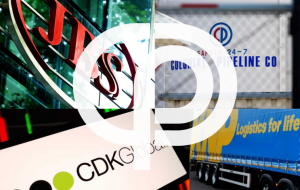
Ransomware groups also assume that small businesses are more likely to panic and pay quickly to get back online—especially if client data or essential operations are at stake. That’s exactly what happened when BlackSuit targeted CDK Global in the automotive industry, leaving dealerships across the country without access to critical systems.
How to Stop Ransomware Before It Spreads
Stopping ransomware isn’t about a single tool or one-time fix. It’s about building layers of protection that work together to minimize risk and limit damage if something gets through.
At Professional Computer Concepts, we help our clients implement a complete strategy that includes:
-
Security Awareness Training to reduce the likelihood of phishing clicks
(Explore Cybersecurity Awareness Training for Small Businesses to learn why every team needs it.) -
Multi-Factor Authentication (MFA) on all critical systems
(Unlock the Power of MFA and see why it’s so effective.) -
Endpoint Detection and Response (EDR) to stop threats in real time
-
Patch management to close known software vulnerabilities
-
Regular, tested backups that are isolated from your network
-
24/7 monitoring through Managed Detection and Response (MDR) for early threat detection
We also help build a culture of vigilance, reinforced with resources like Act Now: The Critical Importance of Cybersecurity Awareness and Empower Yourself with Security Awareness Training.
We don’t wait for ransomware to spread, we build systems that spot it before it has a chance.
What to Do If You’re Infected
If you suspect ransomware has hit your systems, the most important thing is to disconnect affected devices immediately to prevent further spread. Do not shut systems down unless advised by a cybersecurity expert—doing so may make recovery harder depending on how the ransomware is built.
Report the incident to your IT provider and initiate your incident response plan. If you don’t have one, now is the time to create one—and we can help. You should also notify law enforcement, preserve evidence, and avoid paying the ransom unless absolutely necessary.
Find practical guidance on phishing, account security, employee awareness, ransomware and incident response.
Final Thoughts
Ransomware doesn’t need to be sophisticated to be successful. It just needs a single opportunity: a missed patch, a forgotten backup, a distracted employee. Knowing how ransomware spreads in SMBs helps you focus your defenses where they matter most.
At Professional Computer Concepts, we partner with businesses to build layered security that prevents ransomware, detects threats early, and recovers fast if something slips through. We don’t just respond to emergencies; we help you avoid them altogether.
Despite the growing risk, only 14% of SMBs feel prepared to face a cyberattack. A staggering 95% of cybersecurity breaches are due to human error, and nearly half of small businesses allocate no budget at all to cybersecurity. These gaps in awareness, preparedness, and investment are exactly how ransomware spreads in SMBs and continues to succeed.
Want help building a ransomware defense plan that actually works? Let’s talk.