

Welcome to your crash course in DNS! We believe learning tech should be simple, engaging, and useful.
Technology impacts everything we do, yet so much of it happens behind the scenes. That’s why we’re here—to break it down in a way that actually makes sense. At Professional Computer Concepts, we provide computer support in the Bay Area, helping businesses navigate IT challenges, from cybersecurity to network troubleshooting.
Take the internet, for example. You use it every day, but have you ever stopped to wonder how your device knows where to find a website? That’s where DNS comes in. It’s like the internet’s address book, quietly working in the background to connect you to the right places.
But when things go wrong? That’s when IT people love to say:
“It’s always DNS.”
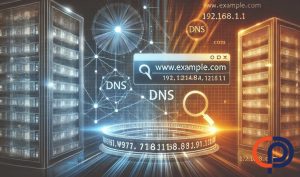
What is DNS?
DNS stands for Domain Name System. It’s what makes the internet human-friendly. Instead of memorizing a bunch of confusing numbers (IP addresses), DNS translates website names into something your computer can understand.
For example:
- You type www.google.com into your browser.
- Your computer asks DNS, “Hey, what’s the IP address for Google?”
- DNS responds, “That’s 142.250.190.78” (or something similar).
- Your computer connects you to Google, and boom—you’re browsing memes, checking email, or watching cat videos.
Without DNS, you’d have to memorize those long number addresses for every site you visit. Sounds awful, right? That’s why DNS exists.
Why Do IT People Say “It’s Always DNS”?
If you’ve ever seen an IT person roll their eyes and mutter, “It’s always DNS”, here’s what’s going on:
When a website doesn’t load, an app won’t connect, or the internet feels broken, there’s a decent chance DNS is the culprit.
- If DNS is slow, websites take forever to load.
- If DNS is down, websites might not load at all.
- If DNS is misconfigured (aka, someone messed up), things can go haywire.
Since DNS is such a fundamental part of how the internet works, it’s often one of the first things to check when troubleshooting network issues. IT pros have been burned by DNS failures so many times that they’ve developed a kind of reflex—when something’s broken, their first instinct is to blame DNS.
Sometimes they’re right. Sometimes they’re wrong. But either way, it’s a running joke in the IT world.
Read a related blog:
How Can You Avoid DNS Problems?
Even if you’re not a tech expert, you can avoid common DNS issues by:
- Using reliable DNS providers like Google (8.8.8.8) or Cloudflare (1.1.1.1).
- Restarting your router if you’re having trouble connecting to the internet.
- Checking if a website is down (it might not be your problem at all).
Final Thoughts
DNS is one of those invisible technologies that makes the internet easy to use. It’s also a prime suspect whenever things stop working. So next time someone says, “It’s always DNS”, you’ll know exactly what they mean—and maybe even crack a smile.
Want to know more about how your internet works? Stick around—we make tech easy to understand!
How Professional Computer Concepts Can Help
At Professional Computer Concepts, we don’t just provide IT support. We help businesses take control of their technology, security, and growth. As a trusted Managed IT and Cybersecurity provider serving the Bay Area for over 20 years, we specialize in proactive IT management, cybersecurity, and cloud solutions for small to mid-sized businesses (SMBs).
We take a comprehensive approach to protecting businesses, offering:
- Advanced Cybersecurity Solutions – Protecting your business from cyber threats before they happen
- 24/7 IT Support & Monitoring – Keeping your technology running smoothly, day and night
- Cloud Computing & Remote Work Solutions – Helping businesses stay connected and productive
- Strategic IT Consulting (vCIO Services) – Ensuring your technology supports your long-term business goals
If you’re a business owner looking to strengthen your cybersecurity, reduce IT headaches, and improve efficiency, we’re here to help.
Let’s Talk! Contact us today to learn how Professional Computer Concepts can help your business stay secure, productive, and ready for the future.