

Don’t Forget the Front Door – Physical Security Still Matters
In business, cybersecurity risks are a hot topic. Firewalls, phishing simulations, endpoint protection. Cybersecurity is where most of the attention (and budget) goes. But while digital defenses improve, physical security often remains an afterthought.
Here’s the reality: a data breach doesn’t always require a hacker. Sometimes, it just takes someone walking in unnoticed.
Did you know? According to IBM’s Cost of a Data Breach report, nearly 10% of breaches in 2023 involved physical security failures—things like lost or stolen devices, unauthorized access, or improper disposal of sensitive documents.
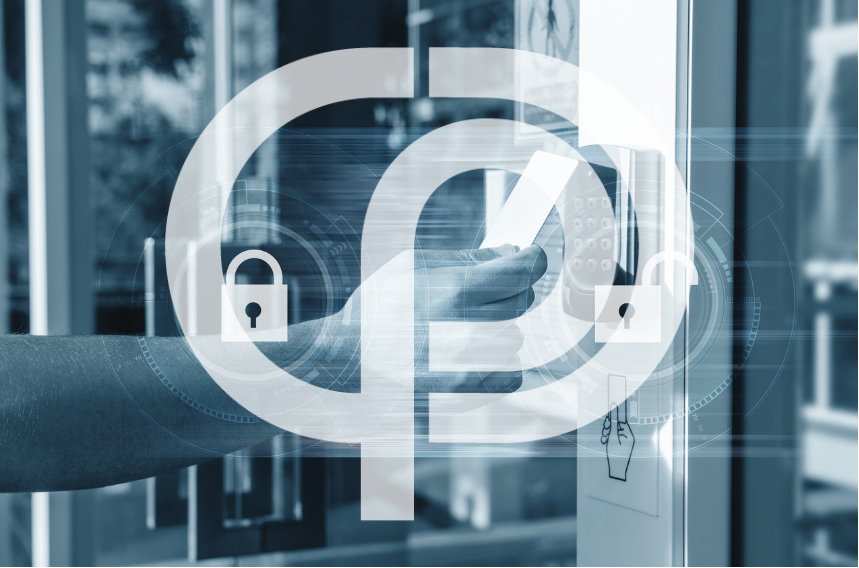
Combining physical security with digital controls is key to effective data breach prevention.
What Is Physical Security?
Physical security refers to the measures your business takes to prevent unauthorized access to physical spaces, equipment, and assets. This includes locks on doors, surveillance cameras, alarm systems, visitor policies, and access control to areas like server rooms or file storage.
Where cybersecurity protects your data in the digital realm, through firewalls, antivirus software, encryption, and threat detection, physical security protects the spaces and devices that store, access, or transmit that data.
It’s the difference between someone hacking your systems remotely and someone walking into your building to steal a laptop or plug into a network port. And in many cases, a lack of physical safeguards makes digital ones easier to bypass.
The bottom line: If someone can gain physical access to your devices, they may not need to “hack” you at all.
Could Someone Walk Right In?
Ask yourself: Could a stranger walk into your office without anyone questioning it? No badge check, no locked door, no receptionist?
This isn’t just a safety concern—it’s a business cybersecurity issue. Unauthorized access to your space means someone can physically steal a device, install malicious hardware, or gain insight into your operations. It’s a classic social engineering attack, just carried out in person.
Fact: One study by Shred-it revealed that nearly 1 in 4 employees have seen strangers in their office without knowing who they were or why they were there.
The Delivery Dilemma
Many companies have vendors who enter their offices regularly—water delivery, plant care, janitorial services. These visits become routine, and employees stop paying attention.
But what if someone impersonates a vendor?
Without verification protocols, this opens the door—literally—to insider threats. A disguised bad actor could drop a rogue USB drive, gather sensitive information, or even plug into your network, bypassing your entire endpoint security stack.
Did you know? The average small business experiences 41 physical security incidents per year, ranging from tailgating to theft or unauthorized device access (ASIS Foundation study).
What’s Lying Around—and What Could Walk Out the Door?
Take a minute to look around your workspace. Are confidential documents sitting on desks or printer trays? Are laptops left unlocked and unattended? What about flash drives or external hard drives—are they plugged in and easy to pocket?
Now go a step further. Is your network equipment, like firewalls, modems, or switches, sitting in plain sight, possibly even labeled? Could someone reach it without even opening a door?
If someone with bad intentions walked into your space, what could they walk out within five minutes or less?
-
A laptop loaded with company data
-
A thumb drive filled with client contracts
-
A screenshot of a whiteboard full of strategy notes
-
A direct connection to your internal network
-
Even a rogue device plugged in to sniff traffic or open a backdoor
Here is a staggering statistic: Over 60% of small business breaches involve physical assets, most often laptops, printed records, and removable media.
It doesn’t take much to cause real damage. Physical access equals opportunity. And opportunity is all an attacker needs.
Unsecured Devices and Equipment
Are laptops left unlocked on desks? Is your server closet accessible with a standard key, or worse, left open? Could someone plug into a live Ethernet port?
Strong network security isn’t just about firewalls. It’s about making sure your infrastructure can’t be physically tampered with. That means enforcing lock screens, securing devices, and educating employees on security awareness training—including physical threats.
Low-Cost Fixes That Make a Big Difference
The good news? Improving physical security doesn’t always require a major investment.
Simple steps like locking server closets, enforcing clean desk policies, requiring visitor sign-ins, and installing inexpensive door alarms or keycard access systems can dramatically reduce risk. Even low-tech solutions, like frosted glass on offices with visible whiteboards or securing unused ports with locks, can help.
Reminder: The best cybersecurity tools won’t matter if your network is exposed to anyone with a clipboard and a confident smile.
How PCC Helps You Secure the Full Picture
At Professional Computer Concepts, we know that real protection requires more than antivirus software and firewalls. Our approach to security is comprehensive. We combine advanced cybersecurity tools with a real-world understanding of how your people, space, and systems interact. Learn more about our cybersecurity services.
We help our clients:
-
Identify blind spots in both physical and digital security
-
Implement layered access controls and network safeguards
-
Train employees to recognize social engineering attacks—in their inbox and in the office
-
Secure workstations, protect sensitive information, and lock down critical infrastructure
If you’re serious about protecting your business, it’s time to think beyond the screen. PCC partners with small and mid-sized businesses across the Bay Area to build strong, secure, and proactive IT environments.
Final Thoughts: Physical Security Is Cybersecurity
The line between physical and digital security is thinner than ever. You can’t have one without the other. An open door or careless mistake can lead to major consequences, no matter how advanced your cybersecurity tools are.
Professional Computer Concepts takes a holistic approach to risk. From data breach prevention to hands-on audits of your office layout and equipment exposure, we’ll help you close the loop and stay protected—inside and out.
Let’s schedule a walkthrough and make sure your office isn’t your biggest vulnerability.
Read some related blogs:
-
Beyond Antivirus: Why Computer Security is a Business Growth Strategy, Not Just an IT Concern
-
Cybersecurity Threats 2025: What’s Targeting Small Businesses and How to Stay Safe
-
Cybercrime on the Dark Web: What Happens to Your Data After a Breach?
-
Cybersecurity Tools and Technologies That Actually Protect Your Business
-
Phishing Awareness for Employees: What Every Business Needs to Train On