
TL;DR
Phishing simulation is a proactive cybersecurity strategy that helps businesses train employees to recognize and respond to phishing threats. It mimics real attacks in a safe environment, builds awareness, and reduces the risk of breaches caused by human error.
The Growing Threat of Phishing
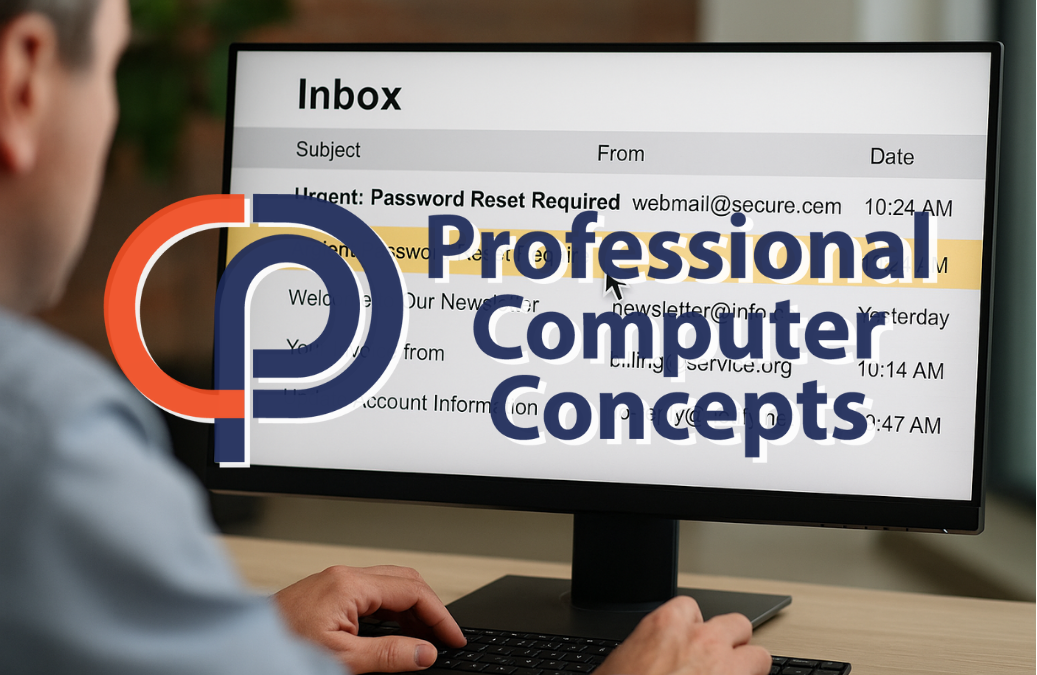
Phishing remains one of the most common and successful cyber attack methods. Whether it’s a fake invoice, a spoofed login page, or a message pretending to be from a trusted vendor, phishing relies on deception and urgency to trick users into revealing sensitive information.
For small and midsize businesses, phishing attacks can lead to data breaches, financial loss, and reputational damage. And because these attacks often target employees directly, technical defenses alone aren’t enough. That’s where phishing simulation comes in.
Did You Know? Over 90% of data breaches begin with a phishing email. Teaching employees how to spot and report these attacks is one of the most effective ways to strengthen your company’s defenses.
What Is Phishing Simulation?
Phishing simulation is a cybersecurity training technique that sends mock phishing emails to employees to test their ability to detect and respond to suspicious messages. These simulations are designed to look and feel like real phishing attempts, but they’re completely safe.
When an employee clicks a link or enters credentials during a simulation, they’re redirected to a training page that explains what happened and how to spot similar threats in the future. The goal is education—not punishment.
Definition: Phishing simulation refers to the practice of sending realistic, fake phishing messages to employees in order to measure awareness, reinforce training, and reduce the likelihood of falling for real attacks.
Did You Know? Phishing simulation training provides instant, interactive feedback that helps employees build lasting cybersecurity habits.
Why Phishing Simulation Works
Phishing simulation works because it turns cybersecurity training into a hands-on experience. Instead of reading about phishing or watching a video, employees interact with simulated threats in real time. This approach builds muscle memory and improves decision-making.
Here’s why it’s effective:
-
Realistic Exposure: Simulations use actual phishing tactics—spoofed domains, urgent language, fake attachments—so employees learn what to look for.
-
Immediate Learning: When someone falls for a simulation, they receive instant feedback and guidance, reinforcing the lesson while it’s fresh.
-
Behavioral Change: Over time, employees become more cautious and confident in identifying threats, reducing risky clicks.
-
Actionable Data: Businesses gain insight into who clicked, who reported, and who ignored the message, helping tailor future training.
Did You Know? Companies that run regular phishing simulations can reduce phishing-related incidents by up to 70% within the first year.
Why This Matters for Business Owners
Phishing simulation isn’t just a tech solution—it’s a business resilience strategy. Human error is the leading cause of data breaches, and phishing is the most common way attackers exploit that weakness.
For business owners, especially those without dedicated cybersecurity teams, phishing simulation offers a cost-effective way to strengthen defenses. It empowers employees to become active participants in security, rather than passive targets.
In practical terms, this means fewer incidents, faster response times, and a stronger security culture across the organization.
Did You Know? Phishing prevention for small businesses starts with awareness. When employees recognize suspicious emails, they become your first line of defense instead of your biggest risk.
How to Launch a Phishing Simulation Program
Getting started with phishing simulation doesn’t require a massive budget or complex tools. Here’s how to begin:
1. Choose a Trusted Provider
Work with a managed service provider or use a reputable simulation platform that offers customizable campaigns and reporting.
2. Start with Common Scenarios
Begin with simple simulations—fake password resets, invoice requests, or account alerts—to build baseline awareness.
3. Train, Don’t Shame
Make it clear that simulations are for learning. Celebrate improvements and offer support to those who need it.
4. Repeat Regularly
Run simulations monthly or quarterly to keep awareness high and adapt to evolving threats.
5. Review and Improve
Use simulation data to identify trends, adjust training, and strengthen policies.
Did You Know? Ongoing phishing simulation campaigns reinforce cybersecurity awareness and help organizations adapt to new attack techniques.
From Awareness to Action
Phishing simulation is more than a test—it’s a mindset shift. It teaches employees to pause, verify, and think critically before clicking. In a digital world where threats are constant and evolving, this kind of vigilance is essential.
Businesses that invest in phishing simulation are better prepared, more resilient, and less likely to suffer the consequences of a successful attack. It’s not just about cybersecurity—it’s about protecting your people, your data, and your future.
Did You Know? When paired with broader cybersecurity awareness training, phishing simulations create measurable improvements in how quickly employees recognize and report threats.
From PCC’s Desk
At Professional Computer Concepts (PCC), we believe cybersecurity awareness starts with education. Our phishing simulation and training programs help your team recognize red flags before they become real threats—turning human error into human strength.
If you’re ready to strengthen your company’s defenses and build a more security-aware workplace, we can help.
👉 Start the conversation today: Let’s Talk
About Professional Computer Concepts
Professional Computer Concepts is a trusted Managed IT and Cybersecurity provider serving businesses in the greater Bay Area for over 20 years. We specialize in helping small and mid-sized businesses improve efficiency, protect against cyber threats, and leverage technology to drive growth.
Our services include:
-
Managed IT Services – Proactive monitoring, maintenance, and unlimited support to keep your systems running smoothly.
-
Cybersecurity Services – Comprehensive protection, including endpoint security, phishing prevention, dark web monitoring, and firewall management.
-
Cloud Solutions – Secure, scalable cloud environments to support remote work and business continuity.
-
Virtual CIO Services – Strategic technology leadership to align IT with your business goals.
At Professional Computer Concepts, we believe technology should be an asset, not a challenge. Our team delivers reliable, responsive support and builds long-term partnerships so you can focus on running your business.
Read some related blogs:
- IT Trends 2025: AI, Cloud, and Cybersecurity Shaping the Future
- The Business Owner’s Guide to Phishing Security Awareness Training & Simulation
- How to Spot a Phishing Email: 10 Red Flags to Watch For
- 7 Cybersecurity Myths and Misconceptions: What Small Businesses Get Wrong
- Cyber Insurance for Small Businesses: What You Need to Know Before You Buy