
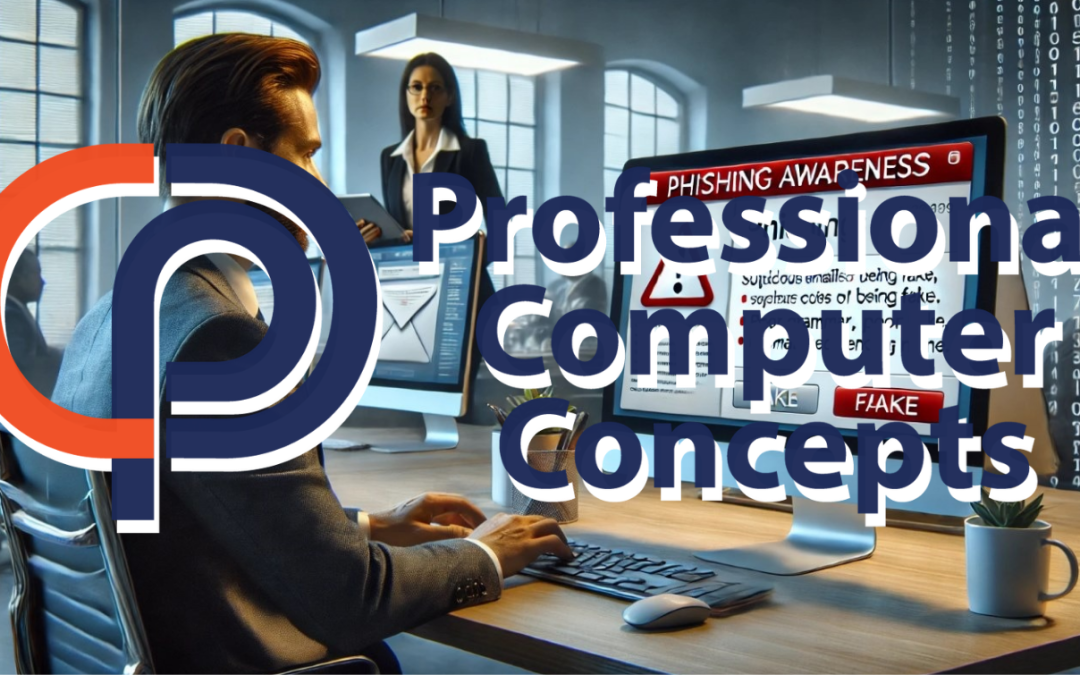
Starting a new job is exciting and overwhelming. There’s new software to learn, new people to meet, and processes to follow. But while your newest team members are trying to find their footing, cybercriminals may already be targeting them.
Phishing attacks targeting new employees are on the rise, and it’s not by chance. Bad actors know that the first few weeks of employment are full of unknowns and assumptions—and that makes new hires vulnerable.
Why Are New Employees Targeted in Phishing Campaigns?
Phishing awareness for employees is essential, especially when it comes to onboarding new hires. Cybercriminals frequently target new employees because they’re unfamiliar with internal processes and eager to make a good impression. These qualities make them prime candidates for social engineering and phishing schemes.
Phishing attacks impersonating executives or IT departments often land in the inboxes of new hires within their first weeks. These messages may appear urgent or routine, prompting the employee to share credentials, click suspicious links, or process unauthorized transfers.
Small and mid-sized businesses face an even greater risk. Companies with fewer than 100 employees experience 350% more social engineering attacks than larger enterprises, highlighting the importance of phishing awareness for employees who may not have dedicated security teams supporting them.
Recent studies show that 74% of security breaches involve a human element, and mistakes made by employees—especially new ones—can open the door to serious breaches. Phishing awareness for employees at all levels, but especially at the entry point, is a critical part of a business’s defense strategy.
Cybercriminals often time their attacks to coincide with onboarding periods. Emails may appear to come from HR or IT, prompting new hires to complete a task or download a file. Without phishing awareness for employees from day one, these attacks are more likely to succeed and can lead to the exposure of sensitive data, financial loss, and reputational harm.
In Q1 2025 alone, cyber attacks rose by 47% compared to the previous year, further underscoring the urgency of addressing this threat. As organizations scale or backfill staff during the ongoing cybersecurity skills shortage, building phishing awareness for employees is no longer optional—it’s essential.
Phishing awareness for employees is essential, but it’s especially critical for new hires. During onboarding, employees are more likely to:
- Mistake spoofed emails as legitimate due to unfamiliarity with internal contacts
- Comply quickly with requests to avoid looking inexperienced
- Lack awareness of phishing red flags or reporting procedures
Cybercriminals take advantage of this. Many phishing emails impersonate executives or IT staff, using urgent language and fake account setup links to trick users into clicking or sharing credentials.
In fact, recent data shows that phishing emails impersonating VIPs are most likely to occur within the first three weeks of a new hire’s start date.
Common Phishing Scenarios New Hires Face
- “Welcome to the team! Please set up your account here.”
- These messages often mimic IT departments and link to credential-stealing sites.
- “Hi, this is [CEO’s Name]. Can you take care of a quick request?”
- These messages may ask for gift cards, wire transfers, or employee data, preying on authority bias.
- “You missed onboarding compliance. Click to complete.”
- Often designed to instill urgency, these messages can lead to malware downloads or credential harvesting.
The attackers know that a phishing email from CEO or IT support carries weight, especially for someone still learning the ropes.
How to Build Phishing Awareness into Employee Onboarding
Phishing training should be part of your onboarding checklist, not an afterthought. Here’s how you can empower new hires to recognize and respond to phishing attempts:
- Start on Day One: Introduce phishing awareness during orientation. Cover what phishing looks like and how to report suspicious messages.
- Simulate Early: Run a phishing simulation within the first 30 days of hire to test awareness and start conversations.
- Define Safe Channels: Make sure employees know who to contact (and how) if they get a suspicious email.
- Normalize Verification: Encourage them to verify unusual requests via phone or chat—even if it’s from the CEO.
Creating a culture where employees, new and tenured, feel safe to pause and question suspicious messages is one of the strongest defenses you can build.
 Related Reading
Want to understand more about CEO impersonation scams and business email compromise? Check out these blogs:
- Don’t Fall for It: How to Spot and Stop BEC Invoice and Urgent Payment Scams
- Recognizing Executive Impersonation: What to Do When an Email from the CEO Doesn’t Feel Right
- What Is Executive Impersonation Phishing (Whaling) and Why It’s One of the Costliest Cyber Threats Today
How Professional Computer Concepts Can Help
At Professional Computer Concepts, we don’t just provide IT support. We help businesses take control of their technology, security, and growth. As a trusted Managed IT and Cybersecurity provider serving the Bay Area for over 20 years, we specialize in proactive IT management, cybersecurity, and cloud solutions for small to mid-sized businesses (SMBs).
We take a comprehensive approach to protecting businesses, offering:
- Advanced Cybersecurity Solutions – Protecting your business from cyber threats before they happen
- 24/7 IT Support & Monitoring – Keeping your technology running smoothly, day and night
- Cloud Computing & Remote Work Solutions – Helping businesses stay connected and productive
- Strategic IT Consulting (vCIO Services) – Ensuring your technology supports your long-term business goals
If you’re a business owner looking to strengthen your cybersecurity, reduce IT headaches, and improve efficiency, we’re here to help.
Let’s Talk! Contact us today to learn how Professional Computer Concepts can help your business stay secure, productive, and ready for the future