
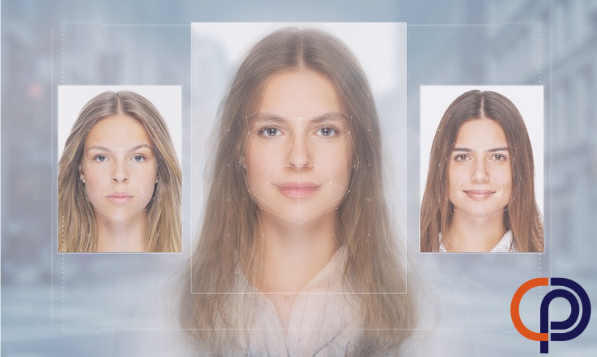
As if cybersecurity concerns weren’t already overwhelming enough, businesses now face a new contender: deepfakes, which are disrupting the hiring process. In a startling revelation, KnowBe4 discovered in July 2024 that one of their new hires was actually a North Korean spy. This individual used a stolen ID and an image found on Adobe Stock Photo, augmented by AI, to impersonate someone else. The spy managed to get through FIVE (!!!) Zoom interviews and secure the job. The threat actor was discovered shortly after receiving his new MacBook, as they immediately loaded malware onto the device. Fortunately, the KB4 team detected the malware and quarantined the device.
This incident highlights a new and emerging cybersecurity threat vector that businesses need to prepare for: deepfakes. But what exactly are deepfakes?
What Are Deepfakes?
Deepfakes are AI-generated videos or audio clips that make it appear as though someone is saying or doing something they never did. By using advanced machine learning techniques, deepfake technology can create realistic but fake images, videos, and audio recordings. This poses significant risks, as these fabricated media can be used to impersonate individuals, deceive audiences, and manipulate opinions.

Understanding the Risks
Deepfake technologies can be used to steal your identity even if you don’t use generative AI platforms. These technologies have brought new concerns about privacy, identity theft, and misinformation. Deepfakes can lead to identity theft, defamation, and fraud. For example, if your vocal identity and sensitive information got into the wrong hands, a cybercriminal could use deepfaked audio to contact your bank.
The KnowBe4 incident was not the first deepfake incident to highlight the potential for misuse. Other high-profile cases have demonstrated how deepfake technology can be used for financial fraud, disinformation campaigns, and sophisticated heists. For example, cybercriminals used deepfake technology to mimic the voice of a CEO, leading to a fraudulent wire transfer. In another case, deepfake videos were employed in disinformation campaigns to fabricate scandals involving political figures. Additionally, a finance worker at a multinational firm’s Hong Kong branch was targeted with video and audio deepfakes of other company personnel, resulting in a $25 million digital heist. These examples underscore the growing threat of deepfakes and the importance of staying vigilant and implementing robust security measures.
You might think that because you don’t use any AI products, you could never be a victim. However, these technologies can scrape data from websites, like social media platforms, to create convincing deepfakes.
Preparing for the Threat
Businesses need to take proactive steps to mitigate the risks associated with deepfakes. Here are some strategies that can help:
- Enhanced Verification Processes: Implementing more robust verification processes can help ensure that the individuals being hired are who they claim to be. This can include multi-factor authentication, background checks, and biometric verification.
- Training and Awareness: Educating hiring managers and HR personnel about the risks of deepfakes and how to identify them is crucial. Regular training sessions can help keep everyone informed about the latest threats and best practices.
- Technology Solutions: Leveraging technology solutions that can detect deepfakes can be an effective way to prevent malicious actors from getting through the hiring process. AI-based tools can analyze video and audio for signs of manipulation and flag suspicious content.
- Collaboration with MSPs: Managed Service Providers (MSPs) can play a vital role in helping businesses develop and implement strategies to combat deepfakes. MSPs can provide expertise in governance, policy, and strategy, ensuring that organizations are well-prepared to handle this emerging threat.
Protecting Yourself
Individuals can take several steps to reduce the chances of being targeted by deepfake creators:
Share with Care
Be cautious about what personal information you share online. Limit the amount of data available about yourself, especially high-quality photos and videos, that could be used to create a deepfake. Adjust social media settings to ensure only trusted people can see your content.
Enable Strong Privacy Settings
Use websites’ privacy settings to control who can access your personal information and content. This includes websites where you store photo files. Reducing publicly available material minimizes the resources potential deepfake creators have.
Watermark Photos
When sharing images or videos online, consider using a digital watermark. This can discourage deepfake creators from using your content since it makes their efforts more traceable.
Learn About Deepfakes and AI
Stay informed about the latest developments in AI and deepfakes. This knowledge can help you recognize potential red flags when encountering suspicious content.
Use Multi-Factor Authentication
Implement multi-factor authentication for all your accounts to prevent unauthorized access and reduce the chances of someone obtaining your personal data.
Use Long, Strong, and Unique Passwords
Each password should be at least 16 characters long and unique to the account. Use a password manager to store and manage your passwords securely.
Don’t Take the Phishing Bait
Be cautious with emails, messages, and calls from unknown sources, especially if they demand urgent action. Verify the sender’s identity and avoid clicking on suspicious links.
Report Deepfake Content
If you encounter deepfake content involving you or someone you know, report it to the platform hosting the content and federal law enforcement. This can help remove or investigate it, limiting its reach.
Consult Legal Advice
If a deepfake damages your reputation, seek legal advice from cybersecurity and data privacy experts. Laws are evolving to address deepfakes, and legal guidance can help you take appropriate action.

Take the Next Step to Secure Hiring Practices
The incident at KnowBe4 serves as a wake-up call for businesses everywhere. As deepfake technology continues to advance, the associated risks will only grow. To protect against this emerging threat, it is essential to take proactive steps: enhance verification processes, educate employees, leverage technology solutions, and collaborate with a Managed Service Provider (MSP) that shares your values.
In the battle against sophisticated threats like deepfakes, safeguarding your hiring practices has never been more crucial. Throughout this blog, we’ve highlighted the importance of these measures, and the role managed services play in bolstering your defenses.
As you work to strengthen your business practices, including hiring processes, consider a key partner ready to support you with unparalleled expertise and commitment – Professional Computer Concepts. With a proven track record, a team of seasoned cybersecurity professionals, and a dedication to enhancing your security resilience, Professional Computer Concepts is more than a service provider; they are a strategic ally in your quest for secure hiring practices.
Your defense against deepfake threats begins with a choice. Partner with Professional Computer Concepts, a cybersecurity services company that aligns with your values, and take the first step toward a more secure hiring future. Contact us today to learn more.
Questions
What is a deepfake?
Deepfakes are a product of artificial intelligence that can create incredibly realistic fake content such as images, audio, and videos. While there are legitimate uses, such as in video games and entertainment, it also has a darker side, like spreading false information quickly.
How do deepfakes impact society?
Deepfakes can be used maliciously to spread disinformation and create confusion. They pose potential harm to democracy and can be used by state actors for national security purposes.
What are some ways to detect deepfake videos?
To detect deepfake videos, it’s essential to analyze the quality and consistency of the media. Look for signs of distortion, blurriness, mismatched elements, or artifacts that might indicate editing or manipulation. Observing the behavior and speech in the video can also provide clues; unnaturalness, awkwardness, or incongruence might reveal the use of a deepfake. Additionally, always verify the source and origin of the video or image to ensure its authenticity.