
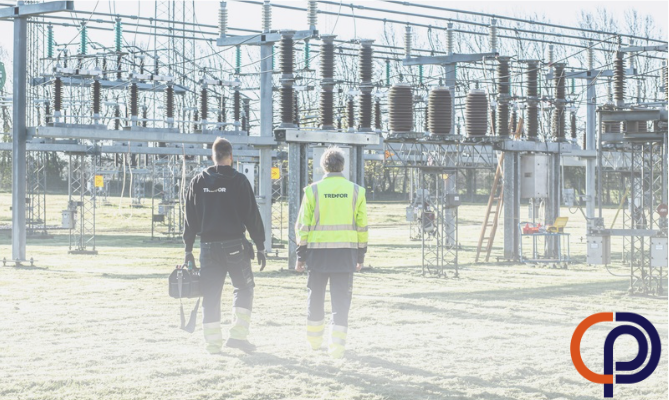
A strong cybersecurity strategy isn’t just about preventing attacks—it’s about being ready for anything that could disrupt your business. Whether it’s a power outage, natural disaster, or cyberattack, being prepared is the best way to protect your company. That’s where business continuity comes in. It’s a vital part of keeping operations running, no matter what happens.
By integrating a Business Continuity Plan into your cybersecurity strategy, you ensure that your systems can recover quickly, data stays safe, and downtime is kept to a minimum. It’s not just about responding to security threats; it’s about making sure your business can handle anything that comes its way.
Lessons from Cuba’s Power Outage
Recent reports of widespread power outages in Cuba have drawn global attention, and while this incident may seem far removed from most businesses, it offers a timely reminder of how vulnerable organizations can be when the unexpected happens. A major power outage can disrupt operations, lead to data loss, and create chaos for any company that isn’t prepared. For business leaders, the question is simple: What can you do to avoid a similar disruption?
The answer lies in developing a Business Continuity Plan (BCP) and a Disaster Recovery (DR) strategy, both of which are essential tools to ensure that operations continue running and that downtime is minimized during any kind of disaster. According to the National Institute of Standards and Technology (NIST), businesses should adopt a risk-based approach to developing continuity and recovery plans to ensure operational resilience. These two essential tools ensure that, in the event of a disaster, your business can keep running and recover quickly.
Business Continuity: More Than Just Staying Afloat
Business continuity is about more than having a backup generator or an emergency plan for employees. It’s a comprehensive strategy that covers how your business will operate during any type of disruption—whether it’s a power outage, natural disaster, or cyberattack.
One critical element of this is data backup. Imagine your power goes out, and your servers go down—what happens to your data? Without a proper backup solution, you could lose vital information that could take days, weeks, or even months to recover. The best way to ensure you’re covered is by employing managed backups that automatically save your data to a secure, off-site location, like the cloud. This aligns with Gartner Reports, which recommend cloud-based disaster recovery solutions for their scalability and rapid recovery capabilities. Even if your main office loses power or experiences a failure, your data remains accessible.
Disaster Recovery: The Faster You Get Back Online, the Better
While continuity focuses on keeping operations going, disaster recovery ensures you can bounce back from downtime as quickly as possible. In the case of Cuba’s power outage, many critical services were unavailable for extended periods. For a business, every hour of downtime can result in lost revenue, reduced productivity, and damage to your reputation.
Also: Crowdstrike Outage: The Need for Robust Disaster Recovery Plans
Investing in cloud-based disaster recovery solutions allows you to quickly restore systems and data without the physical limitations of on-site equipment. With the cloud, your systems can be back up and running within hours—or even minutes—depending on the severity of the disruption. In fact, FEMA guidelines stress the importance of rapid recovery in their disaster preparedness recommendations, emphasizing that businesses should prioritize systems that allow them to resume operations as quickly as possible.
Proactive Monitoring: A Key Defense
A proactive approach to monitoring your infrastructure is another layer of protection. Managed IT support services that include monitoring can detect potential issues before they become major problems. For example, if your systems are vulnerable to a power surge or data loss due to power issues, your managed service provider (MSP) can alert you and take steps to mitigate the risk.
In the event of a crisis, monitoring services can also provide real-time insights, helping you assess the damage and implement recovery plans efficiently. This proactive stance can make all the difference when minutes matter.
Prepare Now to Avoid Being Left in the Dark
The lesson from Cuba’s power outage is clear: disaster can strike at any time, and the businesses that survive are those that plan ahead. Whether it’s a widespread power failure or a cybersecurity breach, having a solid business continuity plan and disaster recovery strategy is critical for minimizing the impact on your operations. From managed backup to cloud-based disaster recovery and proactive monitoring, there are solutions available to help your business weather any storm.
Final Thoughts
Don’t wait for a disaster to strike before thinking about how to protect your business. Partnering with a trusted managed service provider like Professional Computer Concepts gives you the support you need to maintain business continuity and recover from unexpected events swiftly. Contact us today to learn more about how we can help safeguard your business’s future.
Top Questions about Business Continuity and Disaster Recovery
Why is business continuity important for my company?
Business continuity ensures that your company can maintain essential functions during and after a disruption, whether it’s a power outage, cyberattack, or natural disaster. Without a solid continuity plan, you risk losing data, revenue, and customer trust during unexpected events.
What is a Disaster Recovery Plan, and do I need one?
A Disaster Recovery Plan (DRP) outlines how your company will recover from unexpected downtime or data loss, including strategies for data backup, cloud recovery, and system restoration. Every business, regardless of size, needs a DRP to minimize downtime and prevent loss of critical information.
How does cloud-based disaster recovery work?
Cloud-based disaster recovery stores your company’s data off-site, allowing you to restore systems quickly without relying on physical hardware. This means you can resume operations even if your office or on-site servers are compromised.
What are the risks of not having a backup strategy in place?
Without a proper backup strategy, your business could face permanent data loss in the event of a power outage, cyberattack, or hardware failure. Recovery may take days, weeks, or even be impossible, resulting in significant financial and operational consequences.
What did we learn from Cuba’s power outage, and how does it relate to business continuity?
Cuba’s power outage showed how quickly critical services can be disrupted by large-scale events. For businesses, this highlights the importance of proactive planning, including a comprehensive business continuity and disaster recovery strategy, to ensure operations aren’t halted by unforeseen incidents.
What does NIST recommend for disaster recovery?
NIST recommends that businesses take a risk-based approach to disaster recovery, ensuring systems are backed up regularly and recovery solutions are in place. The goal is to maintain operational resilience and minimize downtime when disasters strike.
How can managed IT services help with business continuity?
Managed IT services provide proactive monitoring, managed backups, and cloud-based disaster recovery solutions, ensuring your business is prepared for disruptions. By partnering with an MSP, you can focus on running your business while the technical aspects of continuity are handled.
What role does FEMA play in disaster recovery recommendations for businesses?
FEMA offers guidelines and resources that help businesses prepare for and recover from disasters. Their recommendations often emphasize the need for businesses to have rapid recovery strategies and proactive planning to minimize the impact of unexpected events.
How quickly can my business recover from a power outage with a disaster recovery plan?
With a solid disaster recovery plan in place—especially one that includes cloud-based recovery—you can restore critical systems in a matter of hours, depending on the severity of the outage. This minimizes downtime and keeps your business running smoothly.