
 Choosing between cloud and on-prem servers isn’t just a technical decision it’s a strategic one. For firms in construction, legal, and manufacturing, your infrastructure directly impacts productivity, collaboration, and long-term growth. The question is no longer whether the cloud is viable, but whether your current setup is holding you back.
In 2025, cloud IT solutions are gaining traction across industries for their flexibility, security, and ability to support a remote or mobile workforce. But that doesn’t mean on-premises servers are obsolete. The right choice depends on your business’s needs, compliance requirements, and how you prefer to manage IT.
Understanding the Cloud Advantage
Cloud IT solutions offer anytime, anywhere access to data and applications, which is especially valuable for industries that rely on remote collaboration. Construction teams working from multiple job sites need to access project files without going through a VPN or back-office server. Law firms want secure access to case files and document management tools, even when working from court or home. Manufacturing firms benefit from centralized systems that support real-time data sharing across plants, vendors, and logistics teams.
Cloud systems also reduce the burden of hardware maintenance, data backup, and disaster recovery. With the right provider, updates happen automatically, storage scales as you grow, and uptime is nearly guaranteed. These features are hard to match with aging on-site servers.
Cost and Flexibility of Cloud IT Solutions
One of the most appealing aspects of cloud IT solutions is the cost structure. Instead of making a large upfront investment in physical servers, power, and cooling systems, businesses pay a predictable monthly fee. This subscription-based model not only helps manage budgets more effectively but also offers the flexibility to scale services up or down as needs change—something that’s particularly valuable for industries with seasonal or project-based work like construction and manufacturing.
 Why Cloud IT Solutions Are Gaining Ground in Every Industry
The shift toward cloud IT support isn’t limited to tech startups or massive enterprises. Construction, legal, and manufacturing firms are embracing the cloud because it solves real operational problems—like accessing data on the go, collaborating across teams, and ensuring business continuity in the event of system failure.
Unlike traditional setups that depend on localized hardware and manual upkeep, cloud IT solutions offer secure access to files and applications from anywhere, allowing firms to stay connected and productive no matter where their teams are working. These solutions are also more scalable, making it easier to adjust resources as business needs evolve.
Management and Maintenance of Cloud IT Solutions
With cloud IT solutions, much of the heavy lifting is taken off your internal team’s plate. Updates, patching, infrastructure maintenance, and even disaster recovery are handled by your cloud provider. This hands-off model allows smaller teams to operate more efficiently, especially in firms that don’t have the resources for a full-time IT department. It also ensures that critical systems stay up to date and secure without requiring in-house oversight.
Why Some Firms Still Choose On-Prem
Despite the appeal of cloud IT solutions, on-prem servers continue to have a place—especially in firms with legacy software, extremely strict compliance needs, or limited internet access. Some legal practices, for instance, still use software that hasn’t fully migrated to the cloud. In manufacturing, real-time control systems may depend on ultra-low latency that’s easier to manage in a local environment.
However, on-prem setups come with significant overhead. Physical servers require space, power, cooling, and maintenance. They also require in-person support, higher upfront costs, and more manual backup and recovery processes.
Hybrid Environments: A Practical Bridge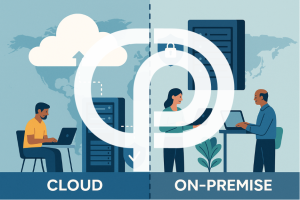
Many businesses are embracing a hybrid approach—keeping certain systems in-house while migrating key services like email, file storage, or line-of-business applications to the cloud. This gives firms flexibility without sacrificing control. For example, a law firm may keep its case management software local but move file storage and email to Microsoft 365. A construction firm might keep estimating software on-site while moving communications and project documentation to a secure cloud platform.
The key to success with any model is choosing the right tools, applying security best practices, and working with a partner who understands your industry’s needs.
Environmental and Long-Term Considerations of Cloud IT Solutions
In addition to operational benefits, cloud IT solutions are often more sustainable than on-prem setups. Cloud providers typically operate energy-efficient data centers and use renewable energy sources when possible. For businesses looking to reduce their carbon footprint while modernizing their IT infrastructure, the cloud offers a greener path forward.
Let Professional Computer Concepts Help You Choose the Right Path
At Professional Computer Concepts, we specialize in helping construction, legal, and manufacturing firms find the right balance between control and convenience. Whether you’re ready to fully embrace cloud IT solutions or you need a custom hybrid model, we bring the expertise to assess your current setup and guide your next steps.
We don’t just move files, we help you modernize how your business works. That means secure migrations, compliance-ready solutions, and ongoing support from a team that understands your industry.
Let’s talk about how cloud IT solutions – or a hybrid approach – can support your business goals.